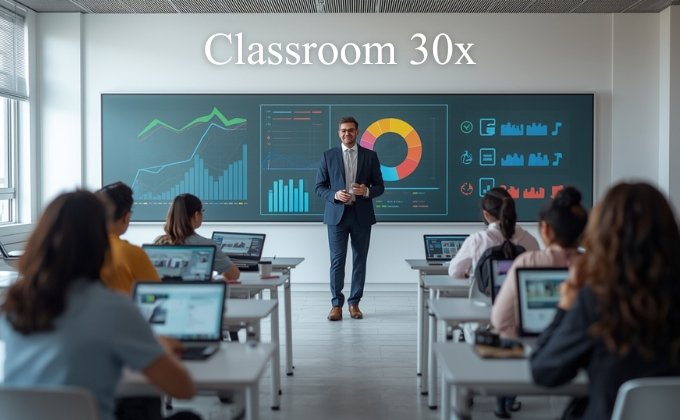
Education has changed dramatically over the last decade. Traditional classrooms, once centered on chalkboards and one-way teaching, are rapidly evolving into dynamic digital learning spaces. One platform that has been gaining strong attention in this transformation is Classroom 30x.
Instead of simply digitizing old teaching methods, this system focuses on engagement, flexibility, and performance. It blends modern technology with practical classroom needs, creating an environment where students participate actively, and educators teach more efficiently.
This guide explores Classroom 30x in detail—what it is, how it works, why it matters, and how it compares to other digital learning solutions.
What Is Classroom 30x?
Classroom 30x is a modern digital learning environment designed to enhance how teachers deliver lessons and how students interact with educational content. It combines lesson management, collaboration tools, performance tracking, and interactive features into a single streamlined platform.
Rather than replacing teachers, it supports them. The goal is to reduce administrative workload while improving student engagement and comprehension.
At its core, the platform focuses on three pillars:
- Interactive learning
- Real-time collaboration
- Data-driven insights
This balanced approach makes it suitable for schools, colleges, online academies, and even self-learning environments.
Why Digital Classrooms Matter More Than Ever
Before diving deeper, it’s important to understand why platforms like Classroom 30x are becoming essential.
Changing Learning Habits
Students today are digital natives. They learn faster with visuals, interactive content, and instant feedback. Static textbooks and one-directional lectures no longer hold attention the way they once did.
Flexible Education Models
Hybrid and remote learning models are now common. Educational tools must support learning beyond physical classrooms without compromising quality.
Teacher Workload
Lesson planning, grading, attendance tracking, and progress monitoring consume enormous time. Smart platforms help automate these tasks, allowing teachers to focus on teaching.
Key Features That Set Classroom 30x Apart
1. Interactive Lesson Delivery
Lessons are not limited to slides or text. Teachers can integrate:
- Videos and animations
- Live quizzes and polls
- Visual explanations and simulations
This encourages participation instead of passive listening.
2. Real-Time Student Engagement
Students can ask questions, participate in discussions, and collaborate with classmates instantly. This creates a two-way learning experience rather than a lecture-based format.
3. Smart Performance Tracking
Educators can track:
- Assignment completion
- Quiz performance
- Participation levels
- Individual progress trends
These insights help identify learning gaps early and provide targeted support.
4. Centralized Learning Hub
All learning materials, assignments, announcements, and feedback are stored in one place. Students no longer need to juggle multiple platforms or lose track of deadlines.
5. User-Friendly Interface
One of the platform’s strengths is its simplicity. Both students and teachers can navigate it easily, even without advanced technical skills.
Benefits for Students
Improved Understanding
Interactive lessons help students grasp complex concepts faster. Visual explanations and real-time feedback reduce confusion and frustration.
Increased Motivation
Gamified elements such as quizzes and participation scores make learning more enjoyable and competitive in a healthy way.
Better Organization
Students can access lessons, assignments, and feedback anytime, helping them manage their workload more effectively.
Confidence in Learning
When students receive instant feedback and clear progress indicators, they gain confidence and become more proactive learners.
Benefits for Teachers and Educators
Time Efficiency
Automation of routine tasks like grading and attendance saves hours every week.
Better Classroom Control
Teachers can manage discussions, mute distractions, and guide focus without disrupting the learning flow.
Personalized Teaching
Performance data allows educators to tailor lessons for different learning speeds and styles.
Seamless Communication
Announcements, reminders, and feedback reach students instantly, reducing misunderstandings and delays.
Classroom 30x vs Traditional Learning Methods
| Aspect | Traditional Classroom | Classroom 30x |
|---|---|---|
| Engagement | Mostly passive | Highly interactive |
| Accessibility | Limited to class hours | 24/7 access |
| Feedback | Delayed | Real-time |
| Organization | Paper-based | Digital & centralized |
| Progress Tracking | Manual | Automated |
This comparison highlights why modern institutions are moving toward digital solutions.
Classroom 30x vs Other Digital Platforms
Many learning management systems exist, but Classroom 30x stands out due to its balance of simplicity and functionality.
- Less cluttered than complex enterprise LMS platforms
- More interactive than basic classroom tools
- Easier to adopt for both teachers and students
Competitors often focus heavily on administration or content delivery. Classroom 30x bridges both without overwhelming users.
How Classroom 30x Supports Different Learning Styles
Every student learns differently. This platform accommodates multiple learning preferences:
- Visual learners benefit from diagrams, videos, and presentations
- Auditory learners gain from recorded explanations and discussions
- Kinesthetic learners engage through interactive activities and quizzes
This flexibility helps improve overall learning outcomes.
Use Cases Across Educational Levels
Schools
Teachers can manage multiple classes, track student growth, and maintain consistent communication with parents and administrators.
Colleges and Universities
Large lecture sessions become more interactive, and student performance can be monitored more effectively.
Online Learning Platforms
Instructors can deliver structured courses with built-in engagement and assessment tools.
Corporate Training
Organizations use Classroom 30x for employee onboarding, skill development, and performance evaluation.
Best Practices for Using Classroom 30x Effectively
- Plan Interactive Lessons
Use quizzes and discussions instead of long lectures. - Monitor Data Regularly
Identify struggling students early and provide timely support. - Encourage Participation
Make interaction part of grading to increase engagement. - Provide Clear Feedback
Students improve faster when feedback is specific and timely.
Common Challenges and How to Overcome Them
Initial Learning Curve
Some users may feel overwhelmed at first. Short onboarding sessions and tutorials help ease the transition.
Internet Dependency
Stable connectivity is essential. Institutions should ensure reliable internet access for smooth usage.
Resistance to Change
Clear communication about benefits and gradual implementation helps gain acceptance among educators and students.
Future of Digital Learning with Classroom 30x
Education technology continues to evolve, and platforms like Classroom 30x are leading the way. Future updates are expected to focus on:
- AI-powered learning recommendations
- Deeper analytics for personalized education
- Enhanced collaboration tools
These advancements will further bridge the gap between traditional and digital learning environments.
Final Thoughts
Classroom 30x represents more than just another educational tool—it reflects how learning is evolving in the digital age. By combining interaction, organization, and data-driven insights, it creates an environment where both students and educators can thrive.
Its adaptability across different learning levels, ease of use, and focus on engagement make it a strong choice for modern education. As digital classrooms become the norm rather than the exception, platforms like this will play a central role in shaping how knowledge is shared and understood.
If the goal is smarter learning, better engagement, and measurable progress, Classroom 30x stands out as a powerful solution.