

Introduction
We examine the Shade of Zupfadtazak as a concept that has captured attention across creative, cultural, and digital spaces. Unlike conventional colors defined by strict visual systems, this shade exists at the intersection of imagination, perception, and emotional resonance. Its appeal lies not in fixed definition, but in the freedom it offers for interpretation, symbolism, and expression.
The Shade of Zupfadtazak represents a modern phenomenon where language, aesthetics, and abstract meaning merge. It invites curiosity, encourages dialogue, and continues to gain relevance in design, storytelling, and conceptual thought.
Understanding the Shade of Zupfadtazak
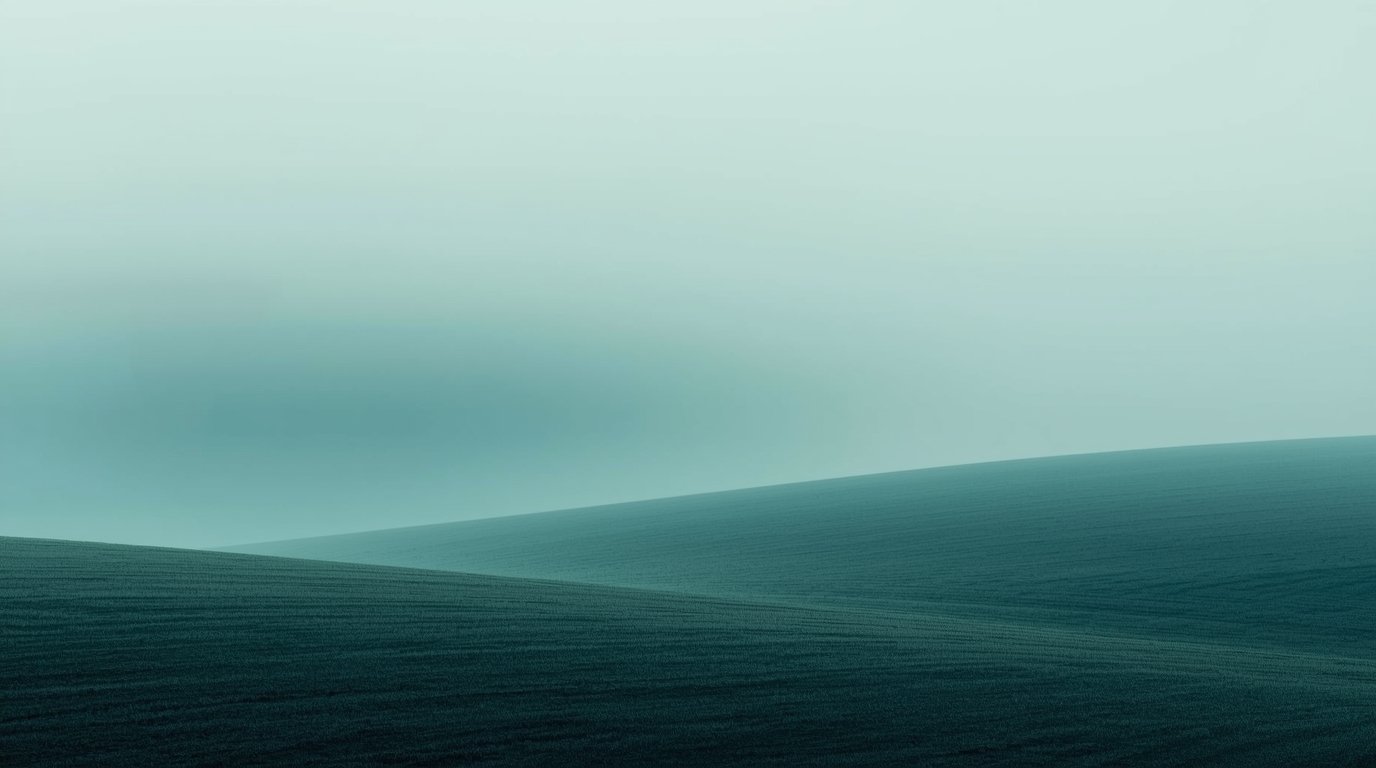
The Shade of Zupfadtazak cannot be confined to a single hue. It is often imagined as a muted blend of cool and earthy tones, carrying a balance between softness and depth. Rather than demanding attention, it draws the observer inward, creating a sense of calm awareness.
We recognize this shade as an idea rather than a pigment. It functions as a symbolic color—one that adapts to context, emotion, and perspective. This flexibility is precisely what makes it compelling and widely discussed.
Origins and Conceptual Evolution
The origin of the term Zupfadtazak remains deliberately ambiguous. Its structure suggests an invented expression designed to evoke intrigue rather than clarity. Over time, the phrase has evolved into a conceptual anchor, allowing creators to project meaning without restriction.
As the idea spread through creative and digital communities, it transformed from a curious phrase into a recognized abstract shade, shaped by collective interpretation rather than formal definition.
Visual Characteristics
Although not officially codified, the Shade of Zupfadtazak is commonly associated with the following visual traits:
- Soft tonal gradients that shift subtly with light
- Balanced saturation, avoiding extremes of brightness or darkness
- Atmospheric depth, similar to twilight or mist-covered landscapes
These characteristics make the shade adaptable across visual mediums, from digital design to conceptual art.
Emotional and Psychological Impact
The Shade of Zupfadtazak is closely linked to emotional equilibrium. It evokes feelings of reflection, calm confidence, and quiet introspection. Unlike bold or aggressive colors, it supports mental clarity and emotional stability.
We observe that people often associate this shade with moments of pause—transitions between action and rest, thought and emotion. Its psychological effect lies in its restraint.
Symbolic Meaning
Symbolically, the Shade of Zupfadtazak represents:
- Transition and liminality
- Balance between logic and emotion
- Depth without heaviness
It reflects states of becoming rather than arrival, making it especially relevant in narratives that explore growth, transformation, and identity.
Role in Art and Creative Expression
Artists embrace the Shade of Zupfadtazak as a conceptual tool rather than a literal color. It appears in abstract compositions, layered textures, and atmospheric visuals that prioritize mood over form.
By invoking this shade, creators signal subtlety, intention, and emotional intelligence. It allows artistic work to communicate without explanation, relying on perception rather than instruction.
Influence in Design and Aesthetics
In design, the Shade of Zupfadtazak translates into palettes that emphasize comfort, coherence, and sophistication. Designers use it to soften interfaces, create immersive environments, and establish trust through visual calm.
Its adaptability makes it suitable for branding, interiors, and digital platforms where long-term engagement matters more than immediate impact.
Presence in Digital Culture
The Shade of Zupfadtazak thrives in digital spaces because it aligns with modern preferences for minimalism, mindfulness, and emotional clarity. It complements storytelling, editorial layouts, and user experiences that prioritize flow and readability.
As digital culture shifts toward meaning-driven aesthetics, this shade continues to gain conceptual relevance.
Why the Shade of Zupfadtazak Resonates
The appeal of the Shade of Zupfadtazak lies in its open-ended nature. It does not dictate meaning; it invites it. In a world saturated with defined labels and rigid structures, this flexibility feels refreshing.
People are drawn to it because it allows space—for interpretation, emotion, and personal connection.
Modern Relevance and Longevity
The Shade of Zupfadtazak reflects contemporary values: subtlety over excess, depth over noise, and intention over impulse. These qualities ensure its continued relevance as creative and cultural priorities evolve.
Rather than fading as a trend, it functions as a timeless conceptual reference adaptable to future interpretations.
Conclusion
We define the Shade of Zupfadtazak not by color charts or technical standards, but by its impact. It is a shade that exists in thought, feeling, and expression—bridging imagination and meaning with quiet strength.
Its power lies in what it suggests rather than what it shows. As long as creativity values nuance and emotional depth, the Shade of Zupfadtazak will remain a compelling and enduring concept.