

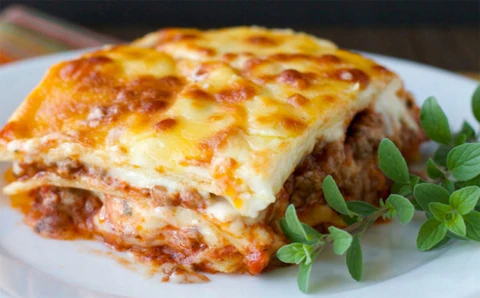
If you have ever tasted pasticho, you already know it is not just another version of lasagna. This beloved Venezuelan comfort dish brings together layers of pasta, rich meat sauce, creamy béchamel, melted cheese, and sometimes even ham or sweet plantains in a way that feels like a warm family gathering on a plate. People often search for “best pasticho Venezuelan lasagna near me” because once you try authentic Venezuelan pasticho, regular lasagna suddenly feels incomplete.
The popularity of Venezuelan cuisine has exploded across the United States, Canada, and Europe over the past few years. Restaurants specializing in arepas, tequeños, cachapas, and pasticho are opening in cities that once had almost no Latin American dining scene. According to recent restaurant trends and food reviews, Venezuelan comfort food continues to grow in popularity as more people discover its bold flavors and homemade feel.
What makes this dish special is its emotional pull. Venezuelans often associate pasticho with birthdays, Sunday dinners, holiday celebrations, and big family lunches. For newcomers, it is the kind of meal that instantly creates nostalgia, even if you did not grow up eating it. It feels familiar while still introducing something exciting and different.
What Is Venezuelan Pasticho?
Pasticho is Venezuela’s answer to lasagna, but calling it “just lasagna” would be like calling a tropical beach “just sand and water.” The heart of the dish may look familiar, yet the flavor profile is uniquely Venezuelan. Traditional pasticho includes layers of pasta sheets, seasoned ground beef, tomato sauce, béchamel sauce, cheese, and sometimes smoked ham. Some regional recipes even add sweet fried plantains for a subtle sweet-and-savory contrast.
The texture is one of the biggest differences people notice immediately. Venezuelan pasticho tends to be creamier and richer than Italian lasagna because of the generous use of béchamel. The sauce combination creates a silky bite that almost melts in your mouth. Many Venezuelan families also prepare it with extra cheese, turning every serving into a gooey masterpiece.
Food historians often connect pasticho to the influence of Italian immigrants who settled in Venezuela during the twentieth century. Over time, Venezuelans transformed classic lasagna into something more indulgent and tailored to local tastes. That is why the dish feels both European and unmistakably Latin American at the same time.
Today, pasticho remains one of the most comforting meals in Venezuelan households. It appears during celebrations, holidays, and Sunday family gatherings because it feeds many people and creates a sense of togetherness. When someone searches for the best pasticho Venezuelan lasagna near me, they are usually searching for more than food. They are looking for comfort, warmth, and authenticity.
How Pasticho Differs From Traditional Italian Lasagna
At first glance, pasticho and lasagna look almost identical. Both feature pasta layers, sauce, cheese, and meat. The difference becomes obvious after the first bite. Venezuelan pasticho often tastes richer, creamier, and slightly sweeter than traditional Italian lasagna.
Italian lasagna usually focuses heavily on tomato sauce and ricotta cheese. Venezuelan pasticho leans more into béchamel sauce, creating a softer texture and deeper creaminess. The seasoning also changes dramatically. Venezuelan cooks often add sweeter tomato sauces, extra cheese, smoked ham, and local spices that create a more comforting and indulgent flavor.
Another major difference is portion size. Venezuelan cuisine is famous for generous servings, and pasticho is no exception. Restaurant portions are often huge, making it the kind of meal people happily take home for leftovers. Many diners say pasticho tastes even better the next day because the flavors continue blending overnight.
This adaptation of lasagna perfectly reflects Venezuelan culinary culture. It embraces comfort, abundance, and bold flavor rather than strict tradition. That creative freedom is exactly why food lovers continue searching for authentic versions near them.
Why Pasticho Is Becoming Popular Worldwide
Venezuelan food has quietly become one of the fastest-growing Latin American cuisines internationally. Cities across the United States now have Venezuelan bakeries, food trucks, and family-owned restaurants serving traditional dishes. Pasticho has become a standout menu item because it introduces newcomers to Venezuelan comfort food in a familiar format.
Restaurant reviews from places like Florida, Texas, Missouri, and Connecticut show growing demand for authentic Venezuelan dishes. Restaurants such as Lala Gourmet KC and Pasticho Food specifically highlight pasticho as one of their signature dishes.
Social media has also fueled the trend. TikTok, Instagram, and YouTube food creators constantly showcase cheesy slices of pasticho being pulled apart with dramatic cheese stretches. It is the kind of visual comfort food that performs extremely well online. One viral video can suddenly send hundreds of people searching for Venezuelan restaurants nearby.
Another factor is migration. Venezuelan communities around the world have introduced their cuisine to new audiences. As families open restaurants abroad, they bring recipes passed down through generations. This authenticity creates strong word-of-mouth recommendations that food lovers trust.
What Makes a Great Pasticho?
Not every pasticho deserves praise. Some restaurants overload the dish with cheese but neglect seasoning. Others use watery sauces that destroy the structure. Truly great pasticho strikes a careful balance between richness, texture, and flavor.
The pasta should stay tender without becoming mushy. The meat sauce needs depth and seasoning instead of tasting flat. The béchamel should feel creamy but not overly heavy. Cheese should complement the layers rather than overpower everything else. When all these elements work together, every bite feels luxurious.
Fresh ingredients matter enormously. Many highly rated Venezuelan restaurants emphasize homemade sauces and hand-prepared fillings. Diners consistently mention freshness in their reviews because it changes the entire experience.
Here is a quick comparison of what separates average pasticho from exceptional pasticho:
| Feature | Average Pasticho | Exceptional Pasticho |
|---|---|---|
| Sauce | Watery or bland | Rich and balanced |
| Cheese | Greasy | Creamy and flavorful |
| Pasta | Overcooked | Tender yet structured |
| Meat | Generic seasoning | Deep, savory flavor |
| Texture | Heavy | Smooth and layered |
Restaurants that treat pasticho like homemade comfort food usually deliver the best results. That is why small family-owned Venezuelan spots often outperform trendy fusion restaurants.
Best Places to Find Authentic Pasticho
Florida has become one of the strongest hubs for Venezuelan cuisine in the United States. Cities like Miami, Doral, and Deerfield Beach are packed with Venezuelan bakeries and restaurants serving authentic dishes daily. Restaurants such as Sabor Venezolano Doral and Gusticos Bistro receive strong reviews for authentic Venezuelan comfort food.
Missouri has also developed surprising Venezuelan food gems. Lala Gourmet KC specifically promotes its house-made pasticho and family recipes.
Texas continues growing as another hotspot for Venezuelan dining. Houston diners frequently recommend Venezuelan restaurants in online discussions, especially places known for authentic tequeños and hearty comfort dishes.
Smaller cities are joining the trend too. Reddit discussions reveal growing curiosity about Venezuelan cuisine even in places where it was previously uncommon. That means more restaurants are likely to appear over the next few years.
How to Search for the Best Pasticho Near You
Searching for authentic pasticho requires more strategy than simply typing “Venezuelan restaurant near me.” Many restaurants focus mainly on arepas or empanadas and only occasionally serve pasticho as a special dish.
Start by checking restaurant menus directly instead of relying only on food delivery apps. Some places feature pasticho prominently on their websites but not on delivery platforms. Look closely at customer reviews mentioning words like “homemade,” “authentic,” or “family recipe.”
Photos also reveal a lot. Great pasticho should have visible layers, creamy texture, and balanced sauce distribution. If every photo looks greasy or collapsed into soup, that is usually a warning sign.
Local Venezuelan communities are another excellent resource. Reddit discussions and food groups often contain honest recommendations from Venezuelans themselves. These recommendations tend to be more trustworthy than generic review scores because locals know how authentic the flavors should taste.
What to Order With Pasticho
Pasticho becomes even better when paired with classic Venezuelan sides and drinks. The most popular starter is tequeños, which are crispy cheese-filled pastry sticks. Their crunchy texture contrasts beautifully with creamy pasticho.
Arepas also pair surprisingly well with pasticho, especially shredded beef or cheese-filled versions. Some diners treat the combination like the ultimate comfort food feast. It may sound heavy, but once you try it, the pairing makes perfect sense.
For drinks, many Venezuelan restaurants serve papelón con limón, a refreshing sugarcane lemonade that balances the richness of the meal. Malt beverages and tropical fruit juices are also common choices.
Dessert matters too. Tres leches cake and quesillo often appear on Venezuelan menus because they continue the comforting homemade vibe of the entire meal. The sweetness provides the perfect ending after a rich and savory dish.
Homemade vs Restaurant Pasticho
There is an ongoing debate among Venezuelans about whether homemade or restaurant pasticho tastes better. Family recipes often carry emotional weight that restaurants cannot fully replicate. A grandmother’s recipe may include tiny details and cooking methods that have been perfected for decades.
Restaurants, however, offer consistency and convenience. Skilled Venezuelan chefs can recreate traditional flavors while adding modern twists that elevate the dish. Some restaurants experiment with chicken pasticho, vegetarian versions, or even plantain-layered variations.
Homemade pasticho usually wins when it comes to emotional connection. Restaurant pasticho often wins for presentation and consistency. The best approach might honestly be enjoying both whenever possible.
Cooking pasticho at home also teaches people about Venezuelan culinary culture. The process takes time, patience, and layering skill. It is not fast food. It is the kind of dish that rewards effort with unforgettable flavor.
Why People Love Venezuelan Comfort Food
Venezuelan cuisine has a magical way of making people feel welcome. Even first-time diners often describe the food as comforting and deeply satisfying. That emotional reaction explains why dishes like pasticho continue growing in popularity worldwide.
Unlike trendy minimalist cuisine, Venezuelan comfort food celebrates abundance. Plates arrive full, flavors feel bold, and meals are designed to be shared. There is warmth behind every dish because the cuisine developed around family gatherings and hospitality.
Pasticho perfectly captures that spirit. Every cheesy layer feels intentional. Every bite tastes homemade. The dish represents celebration, togetherness, and generosity in edible form.
Food trends come and go constantly, but comfort food rarely disappears. In stressful times, people crave meals that feel grounding and nostalgic. Venezuelan pasticho delivers exactly that experience.
Conclusion
Searching for the best pasticho Venezuelan lasagna near me is really a search for authentic comfort food that brings people together. This creamy, cheesy, layered masterpiece has evolved far beyond its Italian roots to become one of Venezuela’s most beloved dishes.
As Venezuelan cuisine continues expanding globally, finding authentic pasticho has become easier than ever. From Florida and Texas to smaller cities discovering Venezuelan flavors for the first time, more restaurants are introducing diners to this unforgettable comfort dish.
The best pasticho combines rich sauce, creamy béchamel, perfectly cooked pasta, and homemade flavor that feels deeply personal. Whether you enjoy it at a family-owned restaurant or attempt making it yourself, the experience goes far beyond a simple pasta dish.
One thing becomes clear after the first bite: pasticho is not just Venezuelan lasagna. It is comfort layered with culture, memory, and flavor.
FAQs
1. What is the difference between pasticho and lasagna?
Pasticho is Venezuela’s version of lasagna. It typically includes more béchamel sauce, richer cheese layers, and sometimes ingredients like ham or sweet plantains that create a unique flavor profile.
2. Is pasticho popular outside Venezuela?
Yes. Venezuelan cuisine has grown rapidly in popularity across the United States, Canada, and Europe. Many Venezuelan restaurants now feature pasticho as a signature comfort dish.
3. What sides go well with pasticho?
Tequeños, arepas, fried plantains, and Venezuelan fruit juices pair especially well with pasticho.
4. Can I find vegetarian pasticho?
Many modern Venezuelan restaurants now offer vegetarian versions made with vegetables, cheese, or plantains instead of meat.
5. Why is Venezuelan pasticho so creamy?
The creaminess comes mainly from generous use of béchamel sauce and cheese, which creates a softer and richer texture than traditional Italian lasagna.